
40×48 Pallet Weight: What You Need to Know for Efficient Logistics and Warehousing
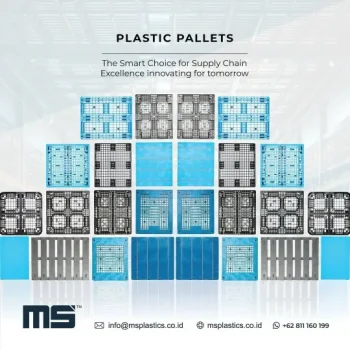
Understanding 40×48 pallet weight is essential for businesses involved in warehousing, logistics, and shipping. The 40×48 pallet size is one of the most widely used pallet standards, especially in distribution centers and retail supply chains. Because this pallet size moves through forklifts, racking systems, and transport vehicles daily, its weight directly influences efficiency, safety, and operating costs.
Many companies focus on load capacity but overlook pallet weight itself. In reality, pallet weight affects fuel consumption, manual handling effort, and overall supply chain performance. For this reason, selecting the right pallet material and design becomes a strategic decision rather than a simple operational choice.
Read Also MSP Plastic Pallets
What Is a 40×48 Pallet
A 40×48 pallet refers to a pallet with dimensions of 40 inches by 48 inches. This size is commonly used in North America and global export operations due to its compatibility with trucks, containers, and warehouse racking systems.
Because of its standard dimensions, the 40×48 pallet supports consistent stacking, easy forklift handling, and efficient space utilization. However, pallet material plays a major role in determining overall pallet weight and performance.
Typical 40×48 Pallet Weight by Material
The weight of a 40×48 pallet varies depending on the material used.
Wooden pallets typically weigh between 15–25 kg. While they are widely used, weight variation often occurs due to moisture content and wood quality. This inconsistency can affect handling efficiency and load calculations.
Plastic pallets generally have a more consistent 40×48 pallet weight, usually ranging from 8–18 kg depending on design and load rating. This consistency helps logistics teams plan handling and transport more accurately.
Metal pallets are significantly heavier and are usually reserved for specialized heavy-duty applications. Their weight can exceed 30 kg, making them less suitable for high-volume shipping where efficiency matters.
Why 40×48 Pallet Weight Matters
Pallet weight directly impacts logistics efficiency. Lighter pallets reduce total shipment weight, which helps lower transportation costs. Over hundreds or thousands of shipments, these savings become substantial.
Handling safety also improves with optimized pallet weight. Lighter pallets reduce strain during manual handling and make forklift operations smoother. Consistent pallet weight also supports better balance during stacking and racking.
In automated warehouses, predictable pallet weight is critical. Systems rely on uniform inputs to maintain speed and accuracy. For this reason, many modern facilities prefer plastic pallets over traditional wood options.
Advantages of Plastic 40×48 Pallets
Plastic pallets offer clear advantages when considering 40×48 pallet weight. They provide consistent weight from one pallet to another, eliminating variability caused by moisture or material defects.
Plastic pallets also resist water, chemicals, and temperature changes. This durability ensures stable performance in cold storage, food processing, and export logistics. In addition, smooth surfaces reduce the risk of product damage and contamination.
Another benefit is long service life. Plastic pallets maintain their structure over repeated use, making them a cost-effective solution in the long term despite a higher initial investment.
Connecting 40×48 Pallet Weight with MSP
Choosing the right supplier is just as important as choosing the right pallet. MSP (PT. Mandiri Sinergi Plastindo) provides high-quality plastic pallets engineered for consistent weight, strength, and durability. MSP plastic pallets in the 40×48 size are designed to balance lightweight construction with strong load capacity.
By using MSP plastic pallets, businesses gain predictable 40×48 pallet weight that supports accurate load planning, safer handling, and lower logistics costs. MSP pallets also meet hygiene and durability requirements for industries such as food, pharmaceuticals, manufacturing, and export logistics.
Impact on Shipping and Warehousing Costs
Reducing pallet weight improves shipping efficiency. When pallet weight is lower and more consistent, companies can maximize product load without exceeding transport limits. This efficiency leads to better container utilization and lower fuel consumption.
In warehousing, lighter pallets improve workflow speed. Forklifts handle loads more smoothly, and racking systems experience less stress over time. As a result, operational reliability improves and maintenance costs decrease.
Choosing the Right 40×48 Pallet
When selecting a 40×48 pallet, companies should consider pallet weight, load capacity, environment, and reuse frequency. Plastic pallets are ideal for high-rotation systems, hygiene-sensitive operations, and export supply chains.
Working with a reliable manufacturer ensures long-term performance. MSP offers plastic pallet solutions tailored to different industries, ensuring that pallet weight, strength, and compatibility align with operational needs.
Contact Us
40×48 pallet weight plays a crucial role in logistics efficiency, safety, and cost control. Lighter, consistent pallets improve handling, reduce shipping expenses, and support modern warehouse systems. Plastic pallets offer a clear advantage over traditional materials in these areas.
If your business is looking to optimize pallet performance, now is the right time to switch to premium 40×48 plastic pallets from MSP (PT. Mandiri Sinergi Plastindo). Contact MSP today to find durable, lightweight pallet solutions that support efficient, reliable, and future-ready logistics operations.
Email: info@msplastics.co.id
Tel: +62811160199

