
48 by 40 Pallet as the Global Standard for Material Handling
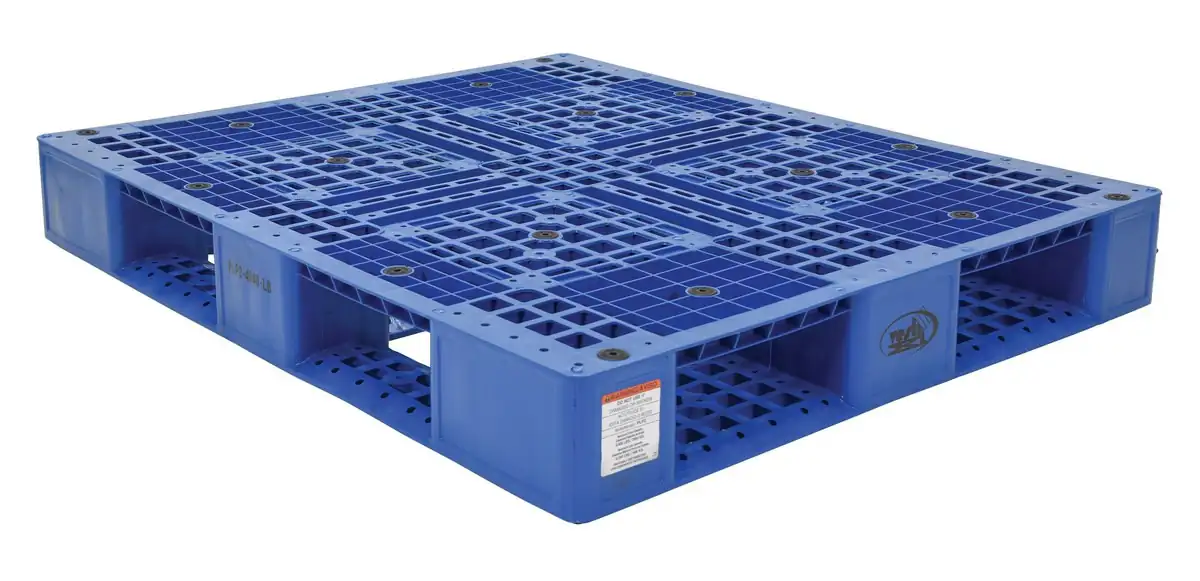
48 by 40 pallet remains one of the most widely used pallet sizes in modern logistics and manufacturing. Many companies rely on this pallet dimension to achieve efficiency, compatibility, and smooth transportation across supply chains. Read the full explanation below to understand why this pallet size supports stable operations and long-term cost efficiency for industrial businesses.
Baca Juga Palet plastik terbaik di Indonesia
Understanding the 48 by 40 Pallet Standard
It represents a standardized pallet size measured in inches. This format dominates warehouse operations, retail distribution, and manufacturing facilities, especially within international supply chains. Companies prefer this size because it fits seamlessly with racking systems and transportation equipment.
Starting from inbound logistics, this pallet size allows uniform stacking and predictable space usage. Also, warehouse planning becomes easier because layout design follows a consistent standard. Moreover, businesses gain operational clarity when using a common pallet dimension.
Why Industries Choose 48 by 40 Pallet Systems
Many industries choose 48 by 40 pallet systems because compatibility matters in large-scale logistics. This pallet size aligns with forklifts, pallet jacks, conveyors, and automated systems.
Also, standardized dimensions reduce handling errors. Then, loading processes move faster and safer. Next, product damage risks decline because pallets support stable weight distribution.
These advantages explain why this pallet size dominates industrial environments.
Role of 48 by 40 Pallet in Warehouse Efficiency
Warehouse efficiency depends on space optimization and movement speed. It supports both factors by fitting neatly into racking and storage zones.
Also, consistent pallet sizing improves inventory accuracy. Then, workers identify storage positions more easily. Next, picking and packing processes run smoothly without size adjustments. This pallet size creates a predictable workflow that supports daily operations.
48 by 40 Pallet for Transportation and Shipping
Transportation efficiency relies on load optimization. The 48 by 40 pallet maximizes truck and container space usage. Carriers can calculate load capacity quickly because pallet dimensions remain consistent.
Moreover, standardized pallets simplify freight planning. Then, shipping schedules stay reliable. Next, logistics partners coordinate more effectively across routes.
This pallet size supports stable and cost-effective transportation.
Material Options for 48 by 40 Pallet
Manufacturers offer this pallet size in various materials, including plastic and wood. Plastic options deliver moisture resistance and hygiene advantages. Wood options provide traditional strength and cost accessibility.
Also, plastic pallets support repeated use cycles. Then, maintenance requirements decrease. Next, businesses reduce replacement frequency. Material selection depends on industry needs and distribution environments.
48 by 40 Pallet in Manufacturing Operations
Manufacturing lines require smooth material flow. The 48 by 40 pallet supports consistent handling from raw materials to finished goods. Automated systems operate more efficiently with standardized pallet dimensions.
Also, production downtime decreases because pallet compatibility remains constant. Then, internal logistics gain stability. Next, material tracking improves across departments. This pallet size strengthens manufacturing continuity.
Export Advantages of 48 by 40 Pallet
Export-focused companies often select this for international compatibility. This size meets common global logistics requirements and fits export containers efficiently.
Also, plastic variants avoid fumigation processes. Then, customs clearance moves faster. Next, shipment delays decrease significantly.
These benefits support smooth cross-border distribution.
Cost Efficiency and Long-Term Value
At first glance, pallet selection may appear simple. However, it delivers long-term value through reduced handling errors and efficient space usage.
Also, standardized pallets lower training requirements. Then, operational consistency improves. Next, companies reduce indirect logistics costs.
This pallet size supports financial efficiency over time.
Sustainability and Reusability
Sustainability continues to influence supply chain decisions. The 48 by 40 pallet supports reuse and recycling programs, especially in plastic variants.
Also, longer pallet lifespan reduces waste. Then, environmental impact decreases. Next, sustainability goals align with operational efficiency.
Responsible pallet selection supports modern industrial standards.
Business Benefits for PT. Mandiri Sinergi Plastindo
For PT. Mandiri Sinergi Plastindo, the 48 by 40 pallet offers reliable support for manufacturing, warehousing, and export activities. This pallet size ensures compatibility across logistics systems and customer operations.
Moreover, standardized pallets improve client trust. Then, partnerships strengthen. Next, long-term supply chain planning becomes more predictable.
This solution aligns with scalable industrial growth.
Conclusion
48 by 40 pallet systems deliver consistency, efficiency, and compatibility across logistics, manufacturing, and transportation. With global acceptance and operational advantages, this pallet size remains a strategic choice for modern supply chains. PT. Mandiri Sinergi Plastindo can leverage this standard to enhance operational performance and long-term business reliability.
Email: info@msplastics.co.id
Tel: +62811160199

