
Standard 48×40 Pallet: The Industry Standard for Efficient Logistics and Global Supply Chains
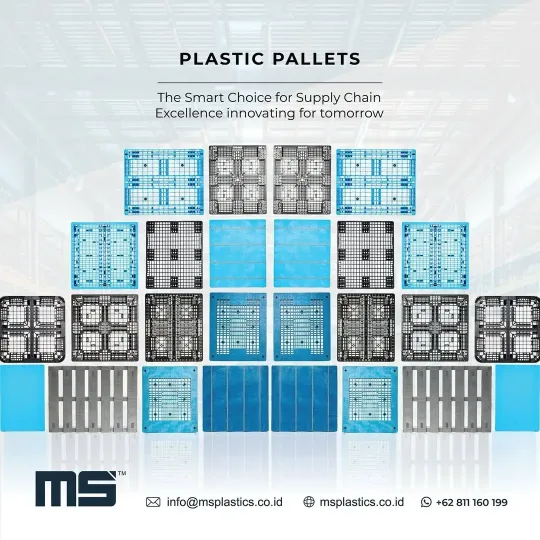
The standard 48×40 pallet is one of the most widely adopted pallet sizes in the world of logistics, warehousing, and distribution. Its consistent dimensions, operational efficiency, and broad acceptance across industries make it a critical component of modern supply chains. From manufacturing plants and distribution centers to export–import operations, this pallet size has become a global reference point, particularly in North America.
Understanding the Standard 48×40 Pallet
It measures 48 inches in length and 40 inches in width. These dimensions are carefully designed to optimize space utilization in trucks, containers, and warehouse racking systems. Because the 48×40 pallet follows a standardized format, it allows goods to move seamlessly through different stages of the supply chain without the need for resizing, repacking, or repalletizing.
The uniformity of the standard 48×40 pallet simplifies material handling and reduces the risk of inefficiencies caused by incompatible pallet sizes. This is why many large retailers, manufacturers, and logistics providers specify the 48×40 pallet as a mandatory requirement for inbound and outbound shipments.
Why the 48×40 Pallet Became the Standard
It gained its status as a standard due to several operational advantages. First, it offers excellent compatibility with forklifts and pallet jacks, allowing handling from multiple entry points. Second, its size aligns well with common warehouse layouts and racking systems, maximizing vertical and horizontal storage efficiency.
Another reason is widely used is its ability to optimize container loading. When arranged properly, 48×40 pallets minimize empty space in shipping containers and trucks, helping companies reduce transportation costs and improve load stability. Over time, these efficiencies have made the 48×40 pallet the preferred choice for large-scale logistics operations.
Materials Used for Standard 48×40 Pallets
The standard is available in various materials; each suited to different operational needs:
Plastic 48×40 pallet
They are known for durability, hygiene, and consistency. They are commonly used in food processing, pharmaceuticals, and clean environments where contamination control is critical.
Applications Across Industries
The standard 48×40 pallet is used across a wide range of sectors. In retail distribution, it supports fast-moving consumer goods and enables efficient restocking. In manufacturing, the 48×40 pallet simplifies raw material handling and finished goods distribution. Exporters rely on the 48×40 pallet to ensure compatibility with overseas warehouses and logistics partners.
Warehousing and third-party logistics providers also depend heavily on the standard 48×40 pallet because it allows them to standardize storage layouts, handling equipment, and labor processes. This consistency translates into faster operations, lower error rates, and reduced operational costs.
Role of the Standard 48×40 Pallet in International Trade
In international trade, pallet standardization is essential. The standard 48×40 pallet supports smoother customs inspections, easier cargo handling, and faster clearance processes. When all parties in the supply chain recognize and accept the 48×40 pallet, the risk of delays caused by non-compliant packaging is significantly reduced.
For exporters, using a standard it also improves credibility with overseas buyers and logistics partners. It signals professionalism, readiness for large-scale distribution, and alignment with global logistics practices.
How the 48×40 Pallet Is Written in Shipping Documents
In formal documentation, clarity is crucial. It is typically described using standardized terminology to avoid confusion. These terms are frequently used in packing lists, commercial invoices, shipping instructions, and warehouse SOPs. Consistent wording helps ensure that all stakeholders interpret the pallet size correctly.
Efficiency, Cost, and Sustainability
The standard 48×40 pallet contributes directly to operational efficiency by reducing handling time and simplifying logistics planning. Because equipment and warehouse layouts are designed around this size, companies can achieve economies of scale and reduce unnecessary customization.
From a sustainability perspective, reusable 48×40 pallets, especially plastic and engineered options support waste reduction and circular supply-chain practices. Even wooden 48×40 pallets can be repaired, reused, or recycled, making them a practical choice for businesses aiming to improve environmental performance.
Conclusion
The standard 48×40 pallet is more than just a packaging platform it is a foundational element of modern logistics. Its standardized dimensions, broad industry acceptance, and adaptability across materials make the 48×40 pallet an essential tool for efficient warehousing, transportation, and international trade. For companies seeking reliability, cost control, and operational consistency, adopting the standard 48×40 pallet is a strategic decision that supports long-term supply-chain success.
Email: info@msplastics.co.id
Tel: +62811160199

