
Big Pallets for Heavy-Duty Shipping and Industrial Storage
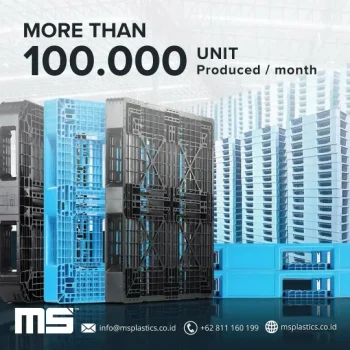
Big pallets play an important role in logistics environments where standard pallet sizes cannot support the size or weight of the cargo. Industries that handle machinery parts, construction materials, bulk containers, or oversized goods require extended pallet platforms to maintain stability and safety. As supply chains expand and cargo dimensions vary, businesses increasingly rely on big pallets to ensure efficient transport and storage. This article explains the benefits, applications, materials, and considerations when choosing big pallets for industrial use.
Read Also MSP Plastic Pallets
What Are Big Pallets?
Big pallets refer to pallet platforms that exceed the standard 48 × 40 inch size commonly used in North America. These pallets may offer additional width, length, or both, depending on operational requirements.
The larger footprint allows oversized items to sit securely without overhang. Proper surface support improves load balance and reduces pressure on pallet boards. Manufacturers design big pallets with reinforced structures to handle higher weight capacities.
Compatibility with forklifts, pallet jacks, and warehouse racking systems remains essential. Even though the pallet is larger, it must integrate seamlessly with handling equipment.
Why Businesses Use Big Pallets
Companies choose big pallets for several operational reasons. The primary advantage involves load stability. Oversized or heavy goods require broader surface support to prevent shifting or tipping.
Another reason involves efficiency. Consolidating larger items onto a single pallet reduces the number of units handled. Fewer pallets translate into fewer loading cycles and lower labor costs.
Big pallets also improve warehouse organization. Instead of spreading long or bulky materials across multiple smaller pallets, businesses use one stable platform.
Increased Load Capacity
Big pallets often support heavier loads due to reinforced construction. Additional deck boards or structural supports distribute weight evenly. This design benefits industries such as manufacturing, metal processing, and construction, where materials can exceed standard pallet capacity.
Improved Safety
Overhanging goods increase accident risks during transport. Big pallets eliminate excessive overhang and maintain balanced loads. Stable weight distribution protects warehouse staff and reduces product damage during shipping.
Industries That Depend on Big Pallets
Several industries rely heavily on this for daily operations. Construction companies transport beams, panels, and heavy materials using extended pallet platforms.
Manufacturing plants move industrial components and large assemblies that require extra support. Automotive suppliers handle bulky parts that benefit from reinforced pallet systems.
Export logistics operations frequently use big pallets for containerized shipments. Custom pallet sizing ensures efficient space utilization inside containers.
Heavy Equipment and Machinery
Industrial equipment components often weigh several hundred kilograms. Big pallets distribute this weight evenly, which prevents structural strain. Reliable pallet systems help maintain consistent production and shipping schedules in heavy industries.
Materials Used
Material selection influences performance and durability. Wooden big pallets offer strong load-bearing capacity and allow easy repair. They suit rugged industrial environments.
Plastic big pallets provide moisture resistance, consistent dimensions, and long service life. These pallets perform well in hygienic or temperature-controlled environments. Composite pallets combine lightweight construction with reinforced strength. Choosing the right material depends on cargo type and environmental conditions.
Custom Sizes and Design Options
These come in various dimensions, such as 48 × 48 inches, 60 × 48 inches, or custom-built sizes. Some suppliers design pallets according to exact cargo specifications.
Reinforced stringers, perimeter frames, and anti-slip surfaces enhance stability. Businesses searching for big pallets should evaluate load capacity ratings and structural integrity before purchasing. Customization ensures compatibility with forklifts and storage systems. Proper planning prevents operational disruptions.
Sustainability and Reuse
Sustainability remains a priority for many companies. These support reuse through durable construction and repair programs. Wooden pallets can undergo refurbishment to extend service life. Plastic pallets often allow recycling at the end of their lifecycle. By investing in reusable big pallets, businesses reduce waste and support circular supply chain practices.
Choosing the Right Big Pallets
Selecting the correct pallet requires evaluating cargo size, weight, and handling conditions. Businesses should consider:
- Load capacity requirements
- Forklift compatibility
- Storage rack dimensions
- Transport methods
- Regulatory compliance for export
Working with reliable suppliers ensures consistent quality and accurate specifications.
Conclusion
Big pallets provide a strong and stable solution for transporting and storing heavy or oversized goods. Through enhanced load capacity, improved safety, and operational efficiency, they address limitations of standard pallet formats. From construction and manufacturing to export logistics, big pallets strengthen supply chain performance. By selecting appropriate materials and trusted suppliers, businesses achieve durable, cost-effective, and reliable pallet solutions.
Email: info@msplastics.co.id
Tel: +62811160199

