
Cost of a Pallet: Pricing Guide by Type and Material
The cost of a pallet varies depending on material, durability, and load capacity, and in this guide you will also learn how different pallet types affect overall pricing. Therefore, continue reading below to understand what influences pallet costs before making a purchase decision.
Pallet prices are not fixed. First, manufacturers calculate raw material expenses. Next, production methods influence total cost. Moreover, order volume and transportation fees also impact the final price. Because of these variables, pallet pricing can differ between suppliers and regions.
Read Also MSP Plastic Pallets
Cost of Wooden Pallets
Wooden pallets are usually the most affordable option in the market. Typical price ranges include:
- New standard wooden pallet (48” x 40”): $15 – $30 per unit
- Used or recycled wooden pallet: $5 – $15 per unit
- Heat-treated export pallet: $20 – $40 per unit
Prices depend on lumber quality, thickness, and load rating. In addition, customized sizes increase manufacturing costs. Businesses that ship internationally often pay more for pallets that meet export regulations.
Although wooden pallets offer lower upfront pricing, they may require more frequent replacement.
Cost of Plastic Pallets
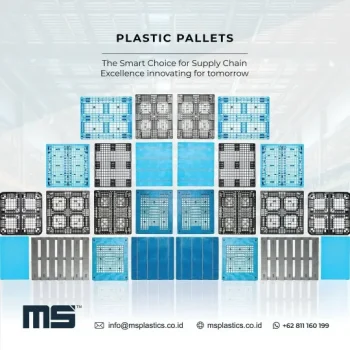
Plastic pallets require higher initial investment but provide longer service life. Average prices include:
- Standard plastic pallet: $40 – $80 per unit
- Heavy-duty rackable plastic pallet: $80 – $150 per unit
- Food-grade or hygienic plastic pallet: $90 – $200 per unit
Material type such as HDPE or polypropylene influences price. Furthermore, reinforced injection-molded designs cost more than lightweight models.
While plastic pallets cost more initially, they often reduce long-term replacement expenses.
Key Factors That Influence Pallet Cost
Understanding pricing factors helps businesses control budgets more effectively.
1. Material
Wood pallets cost less than plastic or metal options. However, plastic and metal provide higher durability.
2. Load Capacity
Higher static and dynamic load ratings increase price because stronger materials are required.
3. Customization
Special dimensions, branding, or reinforced structures raise production costs.
4. Order Quantity
Bulk purchases usually reduce the per-unit price through supplier discounts.
5. Market Conditions
Lumber and plastic resin prices fluctuate globally, directly affecting pallet cost.
Comparing Short-Term vs. Long-Term Cost
Wood pallets provide lower purchase cost, which suits one-way shipments or short-term use. In contrast, plastic pallets offer durability, moisture resistance, and pest protection. Therefore, businesses should evaluate total cost of ownership instead of focusing only on upfront price.
For example, warehouses with high pallet turnover may benefit from plastic pallets despite higher initial cost.
Conclusion
The cost of a pallet typically ranges from $5 to $40 for wooden pallets and $40 to $200 for plastic pallets, depending on specifications. Before choosing, evaluate usage frequency, load requirements, hygiene standards, and replacement cycles.
By analyzing both upfront and long-term costs, your business can select the most cost-effective pallet solution for warehouse and distribution operations.
Email: info@msplastics.co.id
Tel: +62811160199

