
Large Pallet Solutions for Heavy-Duty Shipping and Storage Needs
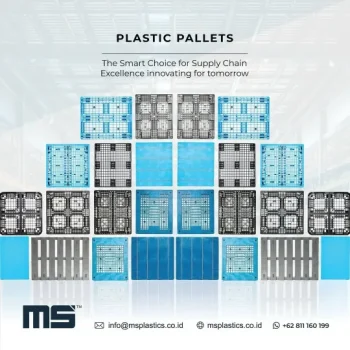
Large pallet systems play a critical role in modern logistics as industries increasingly handle oversized, heavy, and high-volume goods. Standard pallets often fail to meet the demands of industrial cargo, machinery, and bulk shipments. As supply chains grow more complex, companies rely on large pallet solutions to maintain safety, stability, and efficiency. This article explains how large pallets support shipping and storage operations while improving performance across logistics environments. Continue reading to understand why large pallets matter in heavy-duty applications.
Read Also MSP Plastic Pallets
Understanding What a Large Pallet Is
A large pallet refers to a pallet with dimensions and load capacity that exceed standard pallet sizes. These pallets support bulky or heavy items that require additional surface area and structural strength. Manufacturers design them to handle higher weight limits while maintaining load stability.
Large pallets often use reinforced materials such as hardwood, heavy-duty plastic, or composite structures. Their design supports forklifts, pallet jacks, and automated handling systems. As a result, logistics teams move oversized cargo more efficiently and safely.
To appreciate their importance, it helps to explore where large pallets see the most use.
Industries That Depend on Large Pallets
Several industries rely heavily on large pallet solutions due to the nature of their products. These sectors require stable platforms that support heavy or irregular loads without compromising safety.
Large pallet usage appears frequently in manufacturing, construction, automotive, chemical, and export logistics. Each industry benefits from increased load capacity and improved handling control.
Manufacturing and Industrial Equipment
Manufacturing facilities often transport machinery components, metal parts, and assembled units. These items exceed standard pallet dimensions and weight limits. Large pallets provide the necessary support to prevent damage during movement.
In industrial environments, large pallets improve material flow between production stages. Workers handle fewer units per move, which increases efficiency. This approach also reduces handling errors and equipment strain.
Export and International Shipping
Export logistics frequently involve large or custom-sized cargo. Shipping containers and flat racks require pallets that maximize space while ensuring stability. Large pallets help distribute weight evenly across transport platforms.
In international trade, large pallet systems support consistent handling across ports and warehouses. This consistency improves coordination between logistics partners and reduces delays.
Advantages of Using Large Pallets
Large pallets offer several advantages over standard pallet sizes. Their primary benefit involves increased load capacity. Businesses transport heavier goods in fewer moves, which saves time and labor.
Another advantage relates to load stability. Larger surface areas reduce overhang and uneven weight distribution. This stability protects goods during transport and storage.
Large pallet solutions also improve warehouse organization. Oversized goods rest securely on a single platform rather than multiple pallets. This approach simplifies inventory management and tracking.
Cost Efficiency in Heavy-Duty Operations
Although large pallets often cost more per unit, they reduce overall operational expenses. Fewer pallets mean fewer handling cycles. Reduced handling lowers labor costs and equipment wear.
Large pallet systems also support better space utilization. Optimized stacking and storage reduce congestion in warehouses. Over time, these efficiencies deliver measurable cost savings.
Design Features That Enhance Large Pallet Performance
Effective large pallet design focuses on strength, safety, and compatibility. Reinforced decks and blocks support heavy loads without bending or cracking. High-quality materials extend service life.
Some large pallets include custom features such as anti-slip surfaces or perimeter frames. These features improve load security during transport. Forklift entry points also align with heavy-duty equipment requirements.
In automated environments, large pallets maintain precise dimensions to ensure smooth system integration. This compatibility supports modern warehouse operations.
Material Options for Large Pallets
Material selection influences pallet performance. Wooden large pallets offer strength and repairability. Plastic large pallets provide consistency and resistance to moisture and chemicals.
Composite pallets combine materials to balance durability and weight. Each option suits different operational needs. Choosing the right material improves performance and longevity.
Safety Considerations When Handling Large Pallets
Handling large pallets requires careful planning. Heavy loads increase safety risks if not managed properly. Proper equipment and training remain essential.
Forklifts must match pallet size and load weight. Operators should follow weight limits and secure loads before movement. Clear pathways also reduce collision risks.
Large pallets improve safety by consolidating cargo onto stable platforms. Fewer handling steps reduce accident potential. This approach supports safer logistics operations.
Sustainability and Reuse of Large Pallets
Sustainability increasingly influences pallet selection. Large pallets support reuse and long service life, which reduces material consumption. Repair programs extend pallet usability.
Plastic and composite large pallets often support recycling at end-of-life stages. Recycled materials re-enter manufacturing processes. This practice aligns with circular economy principles.
By using large pallet systems responsibly, businesses reduce waste and environmental impact. Long-term reuse supports sustainability goals without sacrificing performance.
Choosing the Right Large Pallet for Your Business
Selecting the right large pallet requires evaluating cargo size, weight, and handling environment. Load capacity and dimensions must align with operational requirements.
Businesses should also consider transport methods, storage systems, and regulatory requirements. For export, compliance with international standards remains essential.
Customization options further enhance value. Custom dimensions, reinforced designs, and tracking features support specific logistics needs. With the right choice, large pallets become a strategic asset.
Conclusion
Large pallet solutions provide essential support for heavy-duty shipping and storage operations. Through increased load capacity, improved stability, and operational efficiency, they address the challenges of oversized cargo. From manufacturing to international logistics, large pallets strengthen supply chain performance. By selecting appropriate designs and materials, businesses enhance safety, efficiency, and sustainability across their logistics operations.
Email: info@msplastics.co.id
Tel: +62811160199

