
Measurements of a Europallet: Official EUR Size and Load Specifications
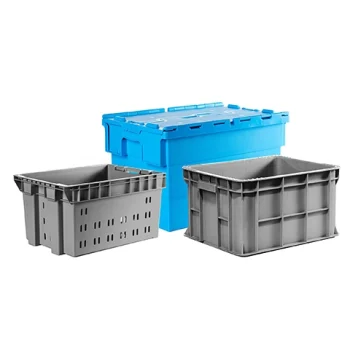
Measurements of a Euro Pallet: Size, Function, and Plastic Box Support
Measurements of a euro pallet play an important role in warehouse planning, export shipping, and cargo handling, while plastic boxes also help businesses keep goods organized and protected during storage or distribution. Therefore, continue reading this article to understand the standard size, practical function, loading needs, and the role of plastic packaging in modern logistics operations.
In international logistics, pallet size affects transportation efficiency and warehouse layout. In addition, many companies use pallets to move goods faster and reduce manual handling. Furthermore, a standardized pallet helps businesses arrange products neatly inside trucks, containers, and storage areas. For that reason, understanding pallet dimensions becomes important for companies that want better logistics performance.
Read Also MSP Plastic Pallets
What Are the Measurements of a Euro Pallet?
Measurements of a euro pallet usually refer to the standard European pallet size of 1200 mm x 800 mm. This size equals approximately 47.2 inches x 31.5 inches. In addition, this format supports efficient handling in warehouses, distribution centers, and export operations. With a consistent pallet size, companies can plan storage racks, transport space, and product stacking more accurately.
The euro pallet format also helps businesses coordinate shipments across different supply chain stages. Furthermore, many logistics operators recognize this size because it has become widely used in European trade and international distribution. In addition, the pallet structure allows forklifts and pallet jacks to move goods more easily. With proper planning, companies can reduce handling time and improve operational flow.
Standard Euro Pallet Size
The standard euro pallet size supports practical product stacking and warehouse movement. In addition, the rectangular shape makes it suitable for various boxed goods, cartons, crates, and industrial packaging.
Businesses often choose this pallet size because it helps maximize storage efficiency. Furthermore, the size works well for transport planning when companies need consistent loading patterns.
Why Euro Pallet Dimensions Matter
Euro pallet dimensions matter because they affect how goods fit inside trucks, containers, and warehouse racks. If the pallet size matches the storage system, companies can use space more efficiently. In addition, accurate pallet measurements help reduce product overhang, unstable stacking, and transport damage. With better load arrangement, businesses can protect goods and improve delivery quality.
Pallet dimensions also influence labor efficiency. Furthermore, warehouse teams can move goods faster when pallet sizes remain consistent. In addition, standardized dimensions help reduce confusion during sorting, loading, and unloading. With this approach, logistics teams can work with more accuracy and less operational waste.
Impact on Storage Planning
Storage planning becomes easier when pallet size follows a clear standard. In addition, warehouse teams can calculate rack capacity, aisle width, and product placement more effectively.
A stable pallet layout helps reduce wasted space and supports safer movement. Furthermore, better planning can improve productivity in daily warehouse operations.
Euro Pallet Use in Shipping and Export
Measurements of a euro pallet become especially useful for shipping and export because international logistics requires careful space planning. Companies need to arrange goods properly before loading them into trucks, vessels, or air cargo systems. In addition, palletized goods can move faster during inspection, transfer, and warehouse handling. With proper pallet use, businesses can create a more organized shipping process.
Export activity often involves long-distance movement, multiple checkpoints, and different handling conditions. Furthermore, goods may move from factory to warehouse, then to port, container, and final destination. In addition, stable pallet loading helps reduce damage during each stage. For that reason, pallet size, product weight, and packaging strength must work together.
Pallet Loading Efficiency
Pallet loading efficiency depends on product size, box shape, stacking pattern, and total weight. In addition, companies need to avoid uneven loads that can create instability.
A good loading pattern helps keep goods safe during movement. Furthermore, strong packaging can support better stacking and reduce risk during transportation.
Role of Plastic Boxes on Euro Pallets
Plastic boxes help companies organize goods on pallets with better protection and consistency. These boxes can store components, finished products, raw materials, and industrial supplies. In addition, plastic boxes help protect goods from dust, moisture, impact, and warehouse handling pressure. With the right box size, businesses can arrange products more neatly on pallet surfaces.
Plastic boxes also support repeated use in warehouse and factory environments. Furthermore, their strong structure helps maintain product order during internal movement and outbound shipping. In addition, plastic material does not absorb water easily, so it suits many logistics environments. For that reason, plastic boxes become a practical choice for companies that use pallets in daily operations.
Advantages of Plastic Boxes
Plastic boxes offer high durability and support repeated handling in warehouses. In addition, their lightweight structure helps workers move goods more efficiently.
These boxes are also easy to clean after use. With those advantages, plastic boxes can improve product safety, storage order, and distribution efficiency.
Choosing the Right Packaging for Pallet Use
Companies need to choose packaging that matches product type, pallet size, and transport conditions. First, businesses should consider product weight, shape, fragility, and storage requirements. In addition, packaging must support stable stacking so goods do not shift during movement. With proper packaging, companies can reduce damage and improve logistics control.
Plastic boxes can support many industrial needs because they provide structure, strength, and easy handling. Furthermore, companies can choose box sizes that fit pallet arrangements more efficiently. In addition, reusable packaging helps reduce long-term operational waste. With the right selection, businesses can improve both warehouse performance and shipment quality.
Matching Box Size with Pallet Size
Box size should match pallet dimensions to reduce unused space. In addition, proper sizing helps prevent overhang and improves load stability.
When boxes fit neatly on the pallet, warehouse teams can stack and move goods more safely. Furthermore, a consistent packaging system helps improve loading speed and inventory control.
Warehouse Management with Euro Pallets
A warehouse that uses euro pallets needs clear layout planning and proper storage equipment. Pallet racks, aisle space, forklift paths, and loading zones should match daily operational needs. In addition, product grouping can help teams locate goods faster and reduce handling delays. With a structured warehouse system, companies can improve productivity and reduce errors.
Plastic boxes also support warehouse management because they help separate products by type, quantity, and destination. Furthermore, labels on boxes can help workers identify contents more quickly. In addition, uniform containers make warehouse areas look more organized. For that reason, pallets and plastic boxes can work together as an efficient logistics system.
Improving Supply Chain Flow
A better supply chain flow helps goods move from production to customers with fewer delays. In addition, organized packaging can reduce damage and improve delivery reliability.
With plastic boxes and proper pallet planning, businesses can manage stock more effectively. Furthermore, companies can create a cleaner, safer, and more efficient distribution process.
Conclusion
Measurements of a euro pallet help businesses plan shipping, warehousing, and product handling with better accuracy. The standard size of 1200 mm x 800 mm supports efficient storage, transport, and international logistics operations. In addition, companies need to consider product size, load weight, packaging strength, and warehouse layout before using pallets. With the right planning, palletized goods can move more safely and efficiently.
Plastic boxes also give important support in pallet-based logistics. These boxes are strong, reusable, lightweight, easy to clean, and suitable for organizing goods in warehouses or shipping areas. Therefore, PT. Mandiri Sinergi Plastindo can provide quality plastic box solutions for businesses that need safer, neater, and more efficient logistics operations.
Email: info@msplastics.co.id
Tel: +62811160199

