
Pallet Container: Versatile Storage and Shipping Solution for Modern Logistics
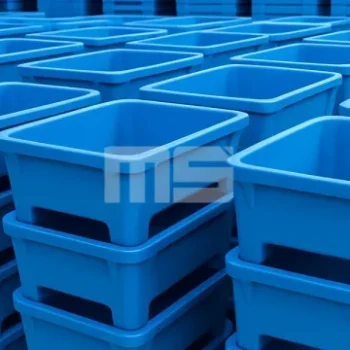
A pallet container is widely used in modern warehousing and logistics as a practical solution for storing and transporting goods safely. As supply chains become more dynamic, companies need packaging systems that balance flexibility, protection, and efficiency. Traditional boxes or fixed containers often limit adaptability when product sizes and volumes change. For this reason, it systems have become an essential part of many industrial and logistics operations.
In daily warehouse activities, efficiency depends heavily on how goods are organized and handled. Poor packaging choices can lead to wasted space, product damage, and slower workflows. By using a pallet container, businesses can create structured load units that are easy to move, stack, and store. This article explains the concept, benefits, applications, and best practices of pallet container systems, including how they work effectively with high-quality plastic pallets from MSP.
Read Also MSP Plastic Pallets
What Is a Pallet Container
A pallet container is a storage unit that combines a pallet base with container-style walls. The pallet acts as the foundation, while the container structure surrounds the goods to provide protection and stability. This design allows goods to be handled using standard pallet equipment such as forklifts and pallet jacks.
Unlike loose palletized loads, a pallet container provides enclosed storage. This enclosure reduces the risk of goods shifting or falling during handling and transport. Many pallet container systems are modular, allowing components to be assembled or disassembled based on operational needs.
Key Functions in Warehouse Operations
One of the main functions of a pallet container is load protection. Goods remain contained within a defined structure, which minimizes damage during internal movement. This is especially important in warehouses with high traffic and frequent handling.
Another important function involves organization. Pallet containers help maintain consistent load units, making inventory easier to identify and manage. With clearly defined containers, warehouse layouts become more structured, supporting faster picking and staging processes.
Advantages of Using Pallet Container Systems
Flexibility is a major advantage of pallet container systems. They can accommodate different product sizes without changing the pallet base. This adaptability reduces the need for multiple packaging types and simplifies logistics planning.
Durability also plays a significant role. A well-designed pallet container is built for repeated use, making it suitable for long-term operations. When paired with plastic pallets, the system becomes more resistant to moisture, impact, and wear. This durability supports stable stacking and reliable performance.
Cost efficiency further strengthens the appeal. Reusable pallet container systems reduce reliance on disposable packaging. Over time, this leads to lower packaging costs and more predictable operational expenses.
Role in Logistics and Transportation
In logistics, standardized load units improve speed and accuracy. A pallet container helps create consistent dimensions for shipping, which simplifies truck loading and container planning. Uniform load units reduce handling time and improve transport efficiency.
Cargo protection is another important benefit. Enclosed walls reduce product movement caused by vibration or sudden stops during transit. As a result, pallet container systems help maintain product quality and reduce damage-related losses throughout the supply chain.
Applications Across Industries
It systems are used across many industries due to their versatility. Manufacturing facilities rely on them to store components between production stages. Automotive operations use them to protect parts during internal transport and temporary storage.
Food and pharmaceutical industries also benefit from pallet container solutions, especially when hygiene and organization are priorities. When combined with plastic pallets, pallet containers support clean and controlled environments. Export-oriented businesses value these systems for their durability during long-distance shipping and repeated handling.
Pallet Container vs Traditional Packaging
Compared to traditional packaging such as cartons or fixed crates, pallet containers offer greater adaptability. Traditional packaging often requires multiple sizes to match different products. In contrast, pallet container systems can adjust capacity while maintaining the same base footprint.
Storage efficiency is another key difference. Fixed containers occupy the same space whether empty or full. Many pallet container designs allow folding or disassembly, reducing storage footprint when not in use. This feature helps warehouses manage space more effectively.
Sustainability and Reusability
Sustainability has become an important factor in logistics decisions. Pallet container systems support reusable packaging strategies that reduce waste. By replacing disposable materials with durable containers, companies lower material consumption and disposal costs.
When paired with plastic pallets, pallet container systems align well with sustainability goals. Plastic pallets offer long service life and recyclability, supporting circular supply chain practices while maintaining operational efficiency.
Why Use Pallet Containers with MSP Plastic Pallets
The performance of a pallet container depends heavily on the quality of its pallet base. MSP (PT. Mandiri Sinergi Plastindo) provides premium plastic pallets designed for durability, hygiene, and consistent dimensions. These qualities enhance the effectiveness of pallet container systems.
MSP plastic pallets resist moisture, contamination, and wear, making them ideal for demanding environments. When combined with a pallet container system, they provide stable stacking, smooth handling, and long-term reliability. This combination supports efficient logistics operations across various industries.
Factors to Consider When Choosing a Pallet Container
Before adopting a pallet container system, companies should evaluate load weight, stacking height, and handling methods. Compatibility with forklifts, pallet jacks, and racking systems is essential for smooth operations.
Material selection also matters. Pallet container systems used with plastic pallets perform well in humid, hygiene-sensitive, or high-rotation environments. Ease of assembly, storage efficiency, and durability should guide the final choice.
Conclusion
A pallet container is a versatile, efficient, and reusable solution for modern warehousing and logistics. By combining the stability of pallets with the protection of containers, businesses gain better control over storage, handling, and transport processes. This system improves organization, reduces damage, and supports sustainable logistics practices.
If your business is looking to upgrade its storage and shipping systems, now is the right time to adopt it solutions supported by MSP (PT. Mandiri Sinergi Plastindo) plastic pallets. Contact MSP today to discover high-quality plastic pallet options that integrate seamlessly with pallet container systems and help optimize your logistics operations for long-term success.
Email: info@msplastics.co.id
Tel: +62811160199

