
Reusable Pallets: Sustainable and Cost-Efficient Logistics Solution
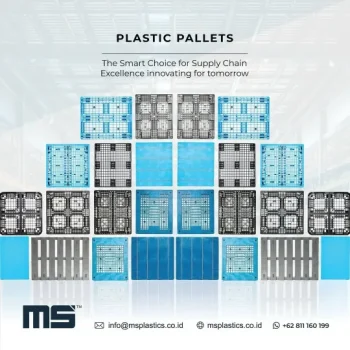
Reusable Pallets for Modern Supply Chain Efficiency
Reusable pallets have become an essential component in modern logistics because businesses seek durability, also long-term cost control. Companies adopt reusable pallets to reduce packaging waste and improve operational consistency across warehouses and distribution networks. If your organization wants to strengthen supply chain sustainability while maintaining performance, continue reading below to understand how reusable pallets deliver measurable value.
Read Also MSP Plastic Pallets
What Are Reusable Pallets?
Reusable pallets are pallet systems designed for multiple usage cycles rather than single-use shipping. Manufacturers typically produce pallets from durable materials such as high-density plastic or reinforced composites.
Unlike disposable wooden pallets, pallets maintain structural integrity across repeated handling operations. As a result, businesses reduce replacement frequency and improve predictability in logistics planning.
Reusable pallets often integrate seamlessly with pallet pooling systems, which enhances circulation efficiency across supply chain partners.
Key Benefits of Reusable Pallets
Before selecting pallet solutions, companies should evaluate operational and financial advantages.
Long-Term Cost Efficiency
Although reusable pallets may require higher initial investment, they deliver long-term savings. Because they withstand repeated use cycles, companies avoid constant repurchasing.
Reduced breakage also lowers product damage risk. Consequently, total cost of ownership becomes more favorable over time.
Environmental Sustainability
Pallets significantly reduce waste generation. By minimizing single-use packaging, businesses support environmental responsibility.
Many pallets use recyclable plastic materials. At the end of service life, manufacturers can reprocess the material into new industrial products.
Improved Structural Consistency
Pallets maintain consistent dimensions and weight. This uniformity enhances compatibility with automated systems and racking configurations.
Consistent performance also improves stacking stability and workplace safety.
Materials Commonly Used for Reusable Pallets
Material selection influences durability and application suitability.
Plastic
Plastic remains the most common material for pallets. High-density polyethylene and polypropylene provide moisture resistance and impact strength.
Plastic pallets do not splinter or absorb liquids. Therefore, industries with hygiene requirements often prefer them.
Composite and Reinforced Materials
Some reusable pallets include steel reinforcements or composite cores. These enhancements increase load capacity and racking strength.
Manufacturers select reinforced designs for heavy-duty industrial environments.
Industries That Rely on Reusable Pallets
Many sectors integrate reusable pallets into daily operations.
Food and beverage companies prioritize hygienic pallet materials that support cleaning procedures. Pharmaceutical industries require consistent sizing for compliance and traceability.
Automotive manufacturers benefit from strong pallets capable of supporting heavy components. Retail distribution centers rely on pallets to streamline high-volume product flow.
Because pallets perform consistently, they support both domestic and international supply chains.
Pallets in Closed-Loop Systems
Closed-loop logistics systems maximize the value of reusable pallets. In these models, pallets circulate within controlled networks between manufacturers and distribution centers.
This approach reduces loss rates and extends service life. Companies track pallet inventory efficiently and minimize asset shrinkage.
Pallet pooling programs also allow businesses to share pallets across multiple partners while maintaining quality standards.
Factors to Consider Before Choosing Reusable Pallets
Businesses should evaluate load requirements, warehouse layout, and handling frequency before investing in reusable pallets.
Static, dynamic, and racking load capacities must align with operational demands. Environmental conditions such as temperature exposure and chemical contact also influence material selection.
Consulting experienced pallet suppliers helps ensure correct specification and long-term performance.
Conclusion
Provide durability, sustainability, and cost efficiency for modern supply chains. By reducing waste and supporting repeated use cycles, they enhance both environmental responsibility and financial performance.
Companies that invest in reusable pallets strengthen operational consistency, improve safety, and build resilient logistics systems capable of supporting long-term growth.
Email: info@msplastics.co.id
Tel: +62811160199

