
Tote Container: Practical Storage and Handling Solution for Modern Warehousing
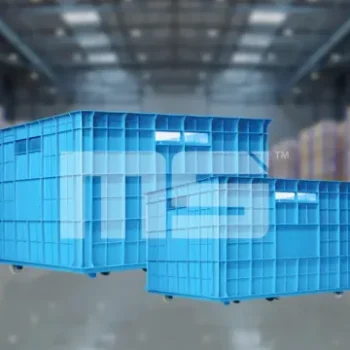
A tote container is widely used in warehouses, distribution centers, and industrial facilities to support organized storage and efficient material handling. As logistics operations grow faster and more complex, companies need containers that are durable, easy to move, and adaptable to different workflows. Conventional packaging often struggles to meet these demands, especially when goods are handled repeatedly. Because of this, tote containers have become a reliable solution across many industries.
In daily operations, the way goods are stored and transported has a direct impact on productivity. Poorly organized storage increases handling time and raises the risk of damage. By using a tote container, businesses can create consistent storage units that simplify movement, improve organization, and support smoother workflows throughout the supply chain.
Baca Juga Palet plastik terbaik di Indonesia
What Is a Tote Container
A tote container is a reusable container designed for storing, organizing, and transporting goods within warehouses or production environments. Tote containers are commonly made from durable plastic and may include open tops, lids, or hinged covers depending on the application. Their shape and structure allow easy stacking and handling.
Unlike disposable boxes, tote containers are built for repeated use. Their rigid construction maintains shape even under frequent handling. Many tote containers are designed to work seamlessly with shelving systems, conveyors, and pallet-based handling equipment.
Key Functions in Warehouse Operations
One primary function of a tote container is organization. Goods stored in tote containers are easier to identify, pick, and track. This organization supports faster order fulfillment and reduces errors during picking and sorting processes.
Another important function involves mobility. Tote containers are easy to carry, lift, or move using carts and automated systems. This flexibility makes them suitable for both manual handling and automated warehouse environments. As a result, workflow efficiency improves across different operational stages.
Advantages of Using Tote Containers
Durability is a major advantage of tote containers. Industrial-grade plastic resists impact, moisture, and wear, allowing containers to perform reliably over long periods. This durability reduces replacement costs and supports consistent daily operations.
Hygiene is another benefit. Smooth plastic surfaces are easy to clean and do not absorb liquids or odors. Because of this, tote containers are widely used in food processing, pharmaceuticals, and clean manufacturing environments.
Space efficiency also adds value. Stackable designs allow warehouses to use vertical space effectively. When empty, some tote containers are nestable, reducing storage footprint and improving space management.
Role in Logistics and Material Flow
In logistics operations, tote containers support standardized material flow. Consistent container sizes help streamline sorting, picking, and packing processes. This standardization reduces variability and improves overall process reliability.
During internal transport, tote containers protect goods from shifting and minor impacts. By keeping items contained, they reduce damage and maintain product quality as goods move through different stages of the supply chain.
Applications Across Industries
Tote containers are used in a wide range of industries. Manufacturing facilities rely on them to store components between production steps. E-commerce and retail distribution centers use tote containers to support fast and accurate order picking.
Food and beverage operations benefit from tote containers due to their cleanliness and ease of sanitation. Pharmaceutical and electronics industries also use tote containers to organize sensitive items and maintain controlled storage conditions.
Tote Containers vs Traditional Packaging
Compared to cardboard boxes or disposable packaging, tote containers offer greater durability and consistency. Traditional packaging often degrades quickly and creates waste. Tote containers maintain performance over repeated use cycles.
Storage efficiency also differs significantly. Tote containers can be stacked securely, while many traditional packages cannot support vertical loads effectively. This stacking capability allows warehouses to maximize available space.
Sustainability and Reusability
Sustainability has become an important factor in logistics decisions. Tote containers support reusable packaging strategies that reduce waste and lower environmental impact. By replacing single-use materials, companies reduce disposal costs and resource consumption.
Many tote containers are recyclable at the end of their service life. This recyclability supports circular supply chain initiatives while maintaining operational efficiency and durability.
Choosing the Right Tote Container
Selecting the right tote container requires consideration of load capacity, size, and handling methods. Compatibility with shelving, conveyors, and transport equipment is essential for smooth operations.
Environmental conditions such as temperature and exposure to chemicals should also guide material selection. Lid options, stackability, and ergonomics influence daily usability and long-term performance.
Tote Container: Practical Storage and Handling Solution
A tote container is a practical, durable, and efficient solution for storage and material handling in modern warehousing and logistics. By improving organization, mobility, and space utilization, tote containers help businesses operate more efficiently and reliably.
If your operation is planning to upgrade storage and handling systems, consider integrating high-quality tote containers with premium plastic pallets from MSP (PT. Mandiri Sinergi Plastindo). Contact MSP today to explore plastic pallet solutions that perfectly complement tote container systems and support long-term logistics efficiency.
Email: info@msplastics.co.id
Tel: +62811160199

