
Flat Pallet: Definition, Structure, and Industrial Applications
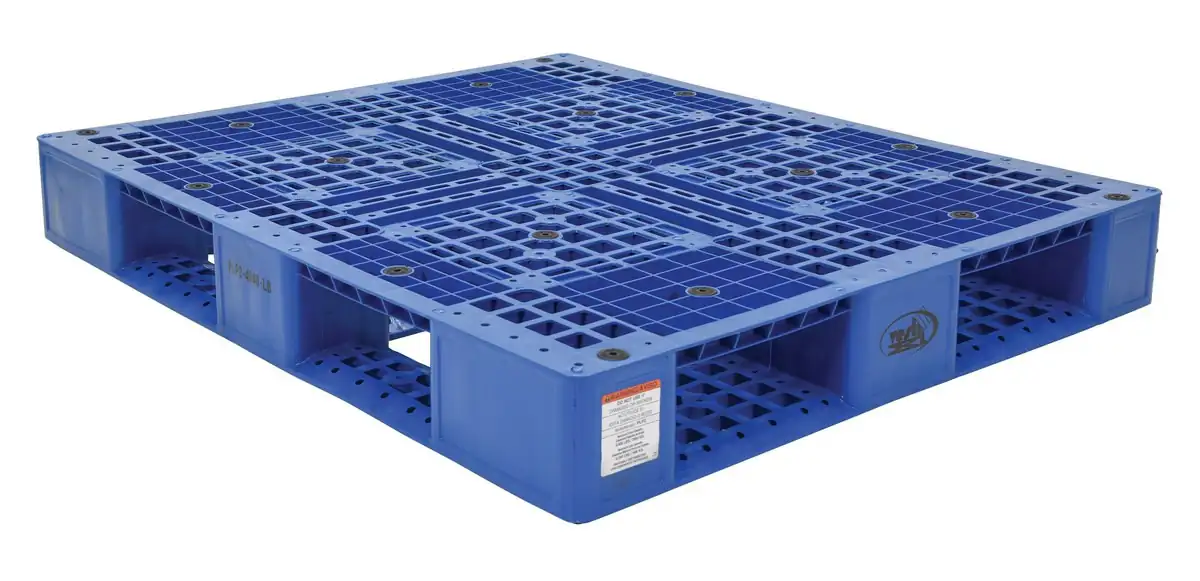
Flat pallet refers to a platform designed to support goods during storage and transportation, and through this guide you will also understand its structure, types, and industrial advantages. Therefore, continue reading below to discover how pallet systems improve warehouse efficiency and material handling performance.
In modern logistics operations, pallet designs provide a stable surface that allows forklifts and pallet jacks to lift goods safely. First, warehouses use pallets to organize inventory systematically. Next, distribution centers rely on them to speed up loading and unloading processes. Moreover, standardized pallet platforms help maintain consistent load dimensions. Because of these benefits, pallet solutions remain fundamental in supply chain systems.
Read Also MSP Plastic Pallets
What Is a Flat Pallet?
A pallet is a structural base with a level top deck that supports stacked goods. Manufacturers design pallets with entry points that allow handling equipment to lift from two-way or four-way directions. This structure ensures balanced weight distribution during storage and transport.
Flat pallet platforms typically consist of top boards, support blocks or stringers, and bottom reinforcements. As a result, the load remains stable while operators move it across warehouses or into transport vehicles.
Understanding its structural design helps businesses choose the correct configuration.
Types of Flat Pallet by Material
Wooden Pallet
Wooden pallets remain the most common option in logistics. Manufacturers produce them from hardwood or softwood depending on load requirements. In addition, wooden flat pallet systems allow cost-effective production and easy repair.
Export industries frequently use heat-treated wooden pallets to meet international shipping regulations. Therefore, companies handling global shipments often prioritize wooden flat pallet designs.
Plastic Pallet
Plastic pallet systems use HDPE or polypropylene materials. Manufacturers create these pallets through injection molding processes, which ensures consistent shape and strength.
Plastic pallets resist moisture and chemical exposure. For this reason, food processing and pharmaceutical industries prefer plastic flat pallet options. Moreover, these pallets require minimal maintenance and support long-term reuse.
Metal Pallet
Metal pallet platforms provide maximum structural strength. Heavy manufacturing facilities use steel or aluminum pallets to handle machinery and high-weight loads.
Although metal pallets require higher investment, they deliver superior durability in demanding industrial environments.
Advantages of Using Flat Pallet Systems
Flat pallet systems improve operational efficiency in several ways. First, they create uniform load dimensions that simplify stacking and storage. Next, they reduce manual handling because forklifts lift entire palletized loads at once.
In addition, pallets enhance workplace safety by stabilizing heavy products. Businesses also benefit from improved transportation efficiency because trucks and containers accommodate palletized goods easily.
Furthermore, standardized flat pallet sizes help companies optimize warehouse layout planning and racking systems.
Key Considerations Before Choosing a Flat Pallet
Before selecting a flat pallet type, businesses should evaluate load capacity requirements. Static load, dynamic load, and racking load ratings must align with operational demands.
Environmental exposure also influences selection. High humidity environments favor plastic or metal, while dry warehouse conditions support wooden options.
Additionally, companies should analyze lifecycle cost instead of focusing only on initial price. Long-term durability and maintenance frequency significantly impact overall investment value.
Conclusion: Why Flat Pallet Solutions Matter
Flat pallet systems form the backbone of warehousing and transportation operations. Their flat structural platform supports safe handling, organized storage, and efficient shipment processes.
If your company aims to improve logistics performance and warehouse stability, evaluate flat pallet specifications carefully. By selecting the appropriate material and design, you can strengthen supply chain efficiency and maintain consistent operational reliability.
Email: info@msplastics.co.id
Tel: +62811160199

