
What Are Pallets? Definition, Types, and Industrial Uses Explained
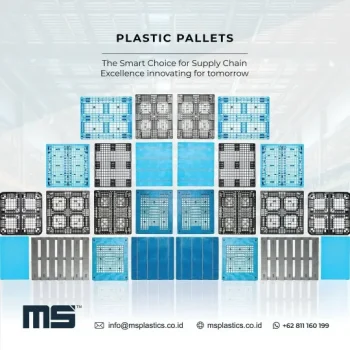
What are pallets and why do industries rely on them for warehousing and transportation? Pallets serve as flat structural platforms that support goods during storage and shipment, and through this guide you will also understand their types, materials, and operational benefits. Therefore, continue reading below to gain a clear understanding of how pallets strengthen modern supply chain systems.
In industrial logistics, pallets create a stable base for stacking, handling, and moving products efficiently. First, warehouses use pallets to organize inventory in structured layouts. Next, transportation companies load palletized goods into trucks and containers to reduce handling time. Moreover, pallets improve safety by stabilizing heavy loads during movement. Because of these advantages, nearly every manufacturing and distribution sector depends on pallet systems.
Read Also MSP Plastic Pallets
Definition and Basic Structure of Pallets
Pallets function as flat platforms that allow forklifts, pallet jacks, and automated systems to lift and transport goods safely. Typically, manufacturers design pallets with top decks, bottom supports, and entry points for lifting equipment. This structure ensures weight distribution remains balanced during storage and transit.
Industries use pallets to standardize load dimensions and simplify logistics coordination. As a result, companies reduce manual handling and improve operational speed. In addition, palletized shipping minimizes product damage and enhances warehouse efficiency.
Before selecting a pallet type, businesses should understand the main categories available in the market.
Common Types of Pallets
Wooden Pallets
Wooden pallets represent the most widely used option worldwide. Manufacturers produce them in standard sizes as well as custom configurations. Because wood offers affordability and repair flexibility, many industries select this option for general shipping and export.
Wooden pallets also allow heat treatment for international compliance. Therefore, exporters frequently rely on this pallet type.
Plastic Pallets
Plastic pallets provide durability and moisture resistance. Industries such as food processing and pharmaceuticals prefer plastic because it resists contamination and supports hygiene standards. Moreover, plastic pallets maintain consistent dimensions, which improves compatibility with automated systems.
Companies seeking reusable, long-term solutions often invest in plastic pallet systems.
Metal Pallets
Metal pallets, usually made from steel or aluminum, support extremely heavy loads. Heavy manufacturing sectors choose metal pallets for machinery, automotive components, and high-capacity storage environments.
Although metal pallets require higher upfront investment, they deliver exceptional strength and long service life.
Understanding pallet materials helps businesses match performance requirements with operational conditions.
Materials Used in Pallet Production
Manufacturers typically use wood, plastic, metal, or composite materials. Each material influences durability, weight capacity, and environmental resistance.
Wood offers cost efficiency and repair convenience. Plastic provides moisture resistance and low maintenance. Metal ensures maximum strength. Composite materials combine recycled fibers and engineered structures to enhance sustainability.
Therefore, businesses must evaluate load capacity, environmental exposure, and lifecycle cost before finalizing procurement decisions.
Industrial Uses of Pallets
Pallets support multiple functions across supply chains. First, warehouses stack palletized goods to maximize vertical storage space. Next, distribution centers organize shipments quickly through pallet-based sorting systems.
Additionally, manufacturers move raw materials and finished products efficiently within facilities. Because forklifts and automated systems interact seamlessly with pallets, companies achieve faster loading and unloading operations.
Furthermore, standardized pallet sizes simplify international shipping. Containers and trucks accommodate pallet dimensions easily, which reduces wasted space and improves freight efficiency.
Benefits of Using Pallets in Logistics
Pallets enhance operational productivity in several ways. They reduce manual lifting, which improves worker safety. They also stabilize goods during transport, which decreases damage risk.
Moreover, palletization accelerates order fulfillment and warehouse management. Companies that implement structured pallet systems experience improved organization and inventory tracking.
Because pallets serve as foundational logistics tools, businesses that select the right pallet type strengthen overall supply chain performance.
Conclusion: The Role of Pallets in Modern Industry
What are pallets? They are essential structural platforms that support goods during storage, handling, and transportation. From wooden to plastic and metal options, pallets enable safer and more efficient logistics operations.
If your business aims to improve warehouse organization and transportation stability, evaluate pallet types and materials carefully. By choosing the appropriate pallet system, you can enhance operational efficiency and maintain long-term supply chain reliability.
Email: info@msplastics.co.id
Tel: +62811160199

