
Pallet Material Guide: Types, Strength, and Industrial Applications
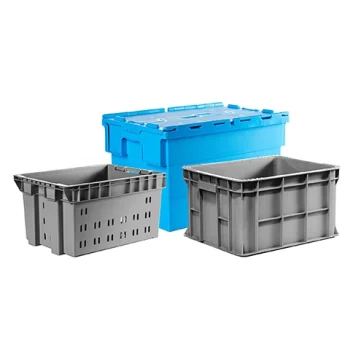
Pallet material determines load capacity, durability, and long-term logistics efficiency, and through this guide you will also understand how each material type influences warehouse stability and transportation performance. Therefore, continue reading below to identify the most suitable pallet material for your industrial operations.
In modern supply chain systems, pallet selection directly affects safety and cost control. First, warehouses rely on strong pallet bases to stabilize inventory. Next, distribution centers depend on durable structures to prevent damage during handling. Moreover, choosing the right material reduces replacement frequency and maintenance expenses. Because of these operational factors, businesses must evaluate pallet material carefully before procurement decisions.
Read Also MSP Plastic Pallets
Wooden Pallet Material
Wood remains the most widely used pallet material worldwide. Manufacturers typically select hardwood for heavy-duty applications and softwood for lighter loads. In addition, wooden pallets allow flexible customization in size and structural design.
Wooden pallet material offers cost efficiency and easy repair. Companies can replace damaged boards quickly instead of discarding the entire pallet. However, wood absorbs moisture and may require heat treatment for export compliance. Therefore, businesses should verify load capacity ratings, wood thickness, and moisture levels before placing bulk orders.
Wood works well in general logistics, retail distribution, and short- to medium-term shipping operations.
Plastic Pallet Material
Plastic pallet material usually consists of HDPE or polypropylene. Manufacturers produce these pallets through injection molding or blow molding processes, which ensures consistent dimensions and uniform structural integrity.
Plastic resists moisture, chemicals, and pest contamination. Therefore, food processing, pharmaceutical, and cleanroom industries often select plastic pallet systems. In addition, plastics require minimal maintenance and support long-term reuse.
Although the initial investment may exceed wooden alternatives, extended service life often offsets replacement costs. For businesses prioritizing hygiene, durability, and automation compatibility, plastic material provides a strong solution.
Metal Pallet Material
Metal material, typically steel or aluminum, delivers maximum strength and structural rigidity. Heavy manufacturing industries rely on metal pallets to support machinery, automotive components, and high-load industrial products.
Steel resist impact damage and maintain integrity under extreme weight. Moreover, metal perform efficiently in automated storage systems and high-rack environments. However, higher weight and cost require thorough operational analysis before adoption.
Industries handling extreme loads often prioritize metal pallet for safety and long-term performance.
Composite and Engineered Pallet Material
Composite includes presswood, engineered wood, and recycled material blends. Manufacturers compress wood fibers or mixed materials under high pressure to create uniform pallet blocks with consistent dimensions.
Composite pallets typically weigh less than traditional wood while maintaining sufficient load strength. Furthermore, many designs support nestable stacking to optimize warehouse space utilization.
Businesses that focus on sustainability frequently choose composite materials made from recycled content. Therefore, composite pallet material supports environmental responsibility while maintaining operational efficiency.
Key Factors When Selecting Pallet Material
After reviewing available material types, decision-makers should evaluate operational requirements systematically. First, analyze static, dynamic, and racking load capacity needs. Next, assess environmental exposure such as humidity, temperature changes, or chemical contact.
Additionally, conduct lifecycle cost analysis instead of focusing only on initial purchase price. Long-term durability, maintenance requirements, and replacement frequency significantly influence total ownership cost. Finally, confirm compatibility with forklifts, pallet jacks, and racking systems to ensure seamless integration.
Conclusion: Choose the Right Pallet Material for Your Operation
Impacts durability, warehouse safety, and logistics efficiency. Wooden pallets offer affordability and flexibility, plastic pallets provide hygiene and longevity, metal pallets deliver maximum strength, and composite options enhance sustainability.
If your business aims to improve storage performance and reduce operational risk, evaluate pallet material specifications carefully before procurement. Select the material that aligns with your load requirements, environmental conditions, and long-term supply chain strategy.
Email: info@msplastics.co.id
Tel: +62811160199

